

As the gray skies of March and April finally give way to the promise of spring, it’s only natural to look out at your garden and wonder: did everything make it? We’ve all been there—staring at a hydrangea that looks more like a bundle of sticks than a flowering shrub, hoping for a sign of life. After months of freezing temperatures, fluctuating weather, and heavy snow, it can be hard to tell what’s sleeping and what’s gone for good.But before you grab the shovel to dig up that “dead” bush, take a breath. Nature is resilient, and sometimes, your plants are just hitting the snooze button.
Be Patient: Some Plants Are Late Risers
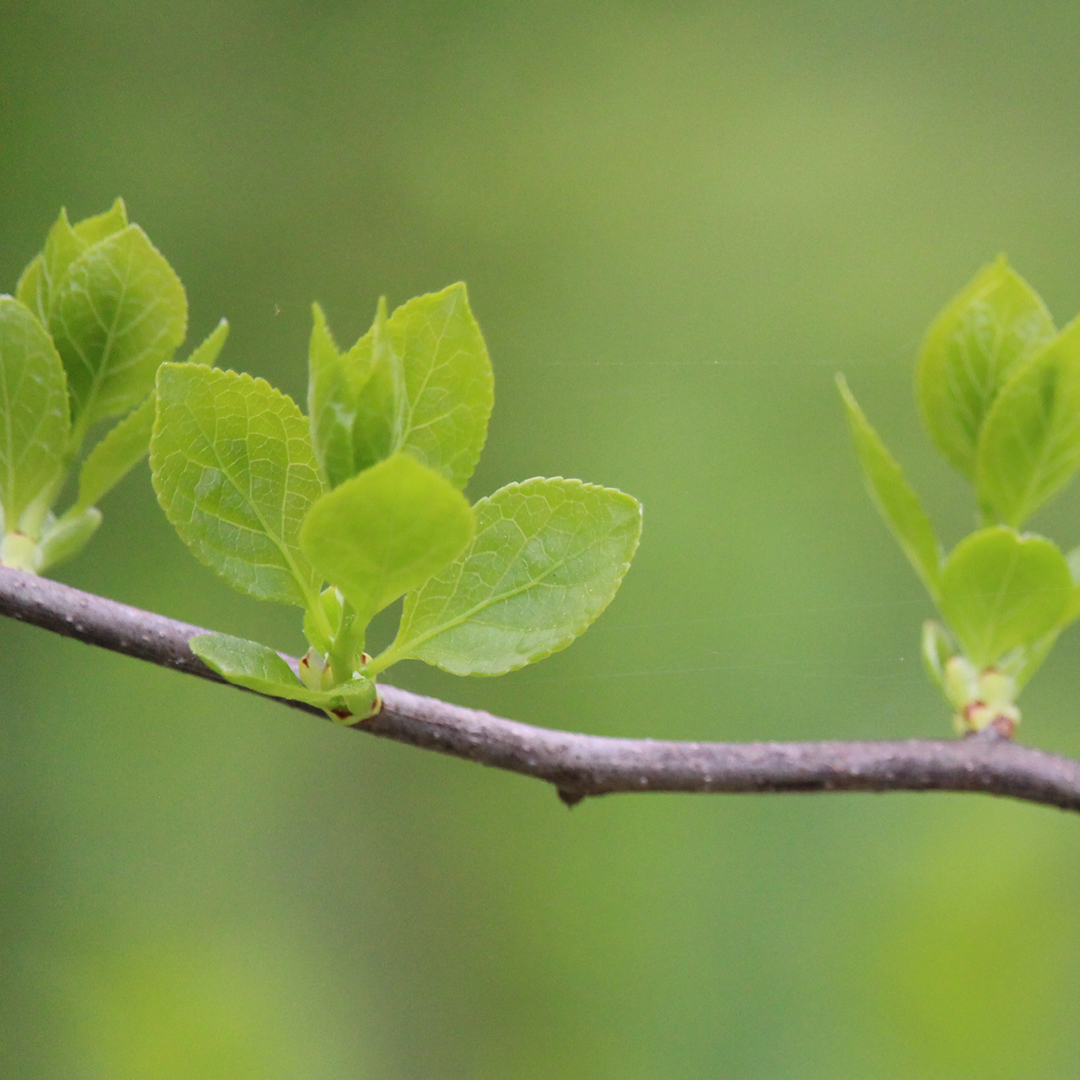
Just like us, some plants need a little extra time to wake up. While your lilacs and maples might be showing off their green buds early in March, others—like hibiscus, butterfly bush, and redbud—often wait until the soil is consistently warm before they stir.
If your garden is in a shady spot or has faced the brunt of the winter wind, those plants might be even slower to respond. A good rule of thumb? Don’t make any rash decisions until late spring warmth has settled in for good.
Is It Alive? The Scratch Test
If the suspense is killing you, there is a way to peek behind the curtain. It’s called the scratch test, and it’s one of the most reliable ways to check for life.
Here is how you do it:
- Pick a spot: Choose a small section of the stem.
- Scratch gently: Use your fingernail or a small knife to scrape away a tiny strip of the outer bark.
- Look closely: If you see green or pale cream underneath, congratulations—it’s alive! If it’s brown, gray, or dry, don’t panic yet. Move further down the stem toward the base and try again. Sometimes the tips die back, but the roots are healthy and ready to push out new growth.
Visual Clues to Look For
You don’t always need to scratch the bark to find answers. Your plants often leave little hints that they made it through the frost.
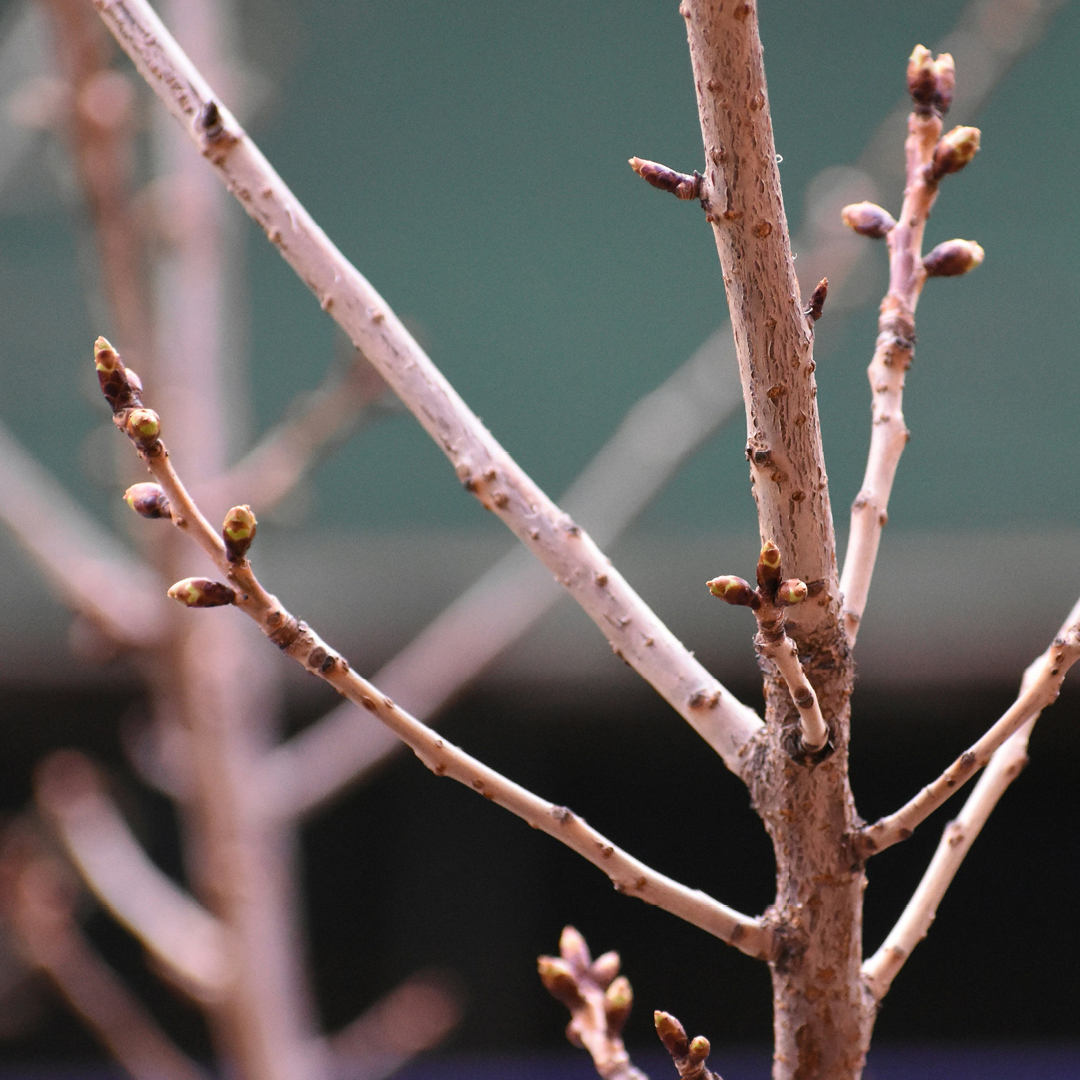
- Swelling buds: Look for buds that seem plump and full, even if they haven’t opened yet.
- Flexible stems: Gently bend a twig. If it bends easily and feels moist inside, it’s healthy. If it snaps with a sharp crack, that part may be dead.
Don’t Be Fooled by Ugly Leaves
For our perennial lovers, remember that what you see above ground can be deceiving. Many perennials store all their energy in their roots during the winter. Even if the old foliage looks completely lifeless, new life is often bubbling just below the surface.
Gently clear away some mulch and look for:
- Tiny pink, red, or green buds poking through the soil.
- New shoots emerging at the crown of the plant.
Helping Your Garden Bounce Back
Once you’ve confirmed your plants are still with us, you can help them shake off the winter blues.
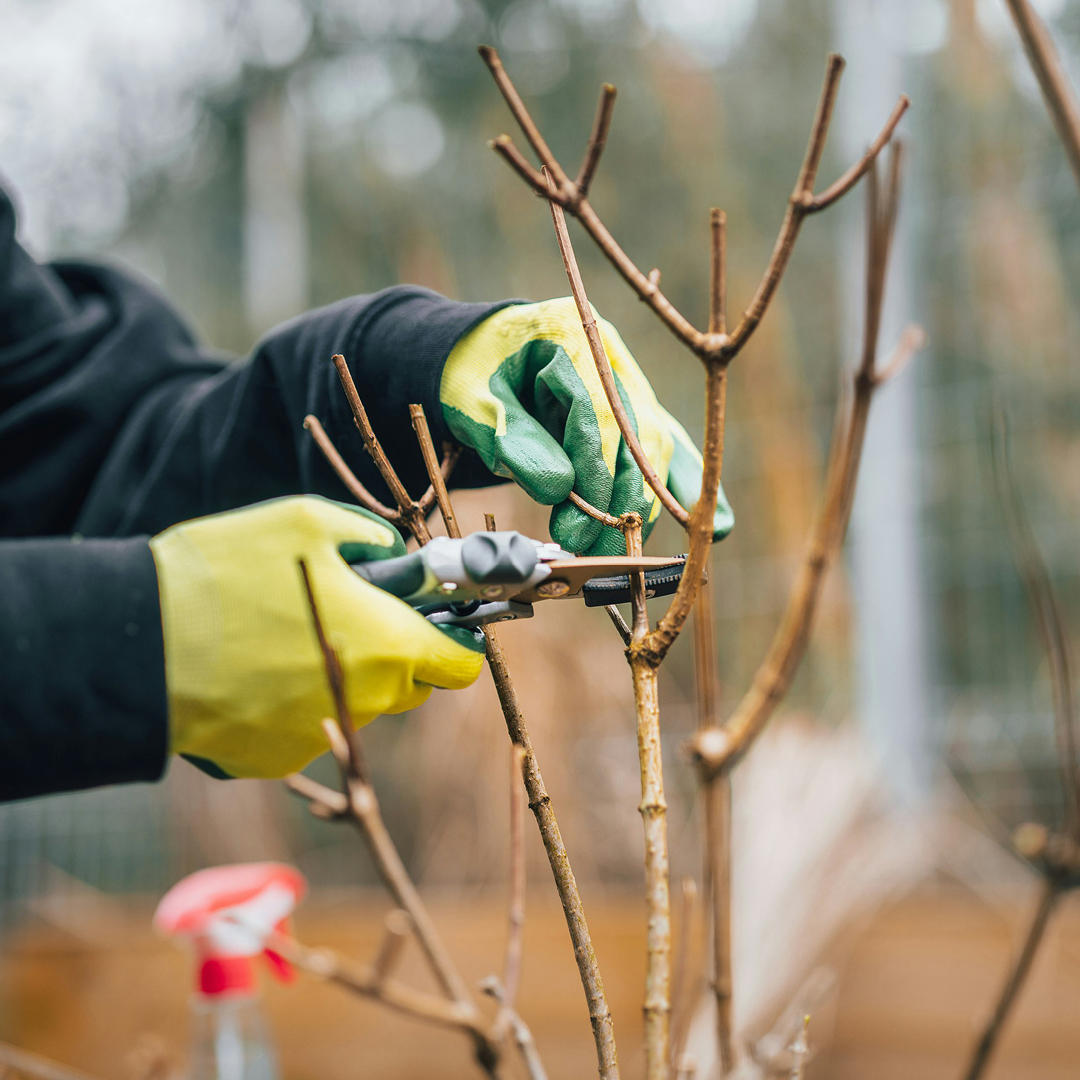
- Prune wisely: Wait until you see new growth before you start cutting. This ensures you only remove the dead wood and don’t accidentally chop off healthy buds.
- Water well: March winds can be surprisingly drying. If we have a dry spell, give your plants a drink.
- Mulch: A fresh layer of mulch helps keep the soil temperature steady and holds in moisture.
If you’re staring at a shrub and just can’t tell if it’s a survivor or a casualty, don’t worry—we’re here to help. Stop by Sunnyside Gardens, and our team can help you evaluate your winter damage and get your landscape ready for a beautiful season.